
Objective 1
Explore SRH experiences, strengths, and challenges among BIPOC communities.

Objective 2
Examine how systemic racism, cultural bias, and social determinants impact SRH care access and quality.

Objective 3
Reflect on how cultural safety, respect, and inclusion strengthen provider-patient relationships.
About the course
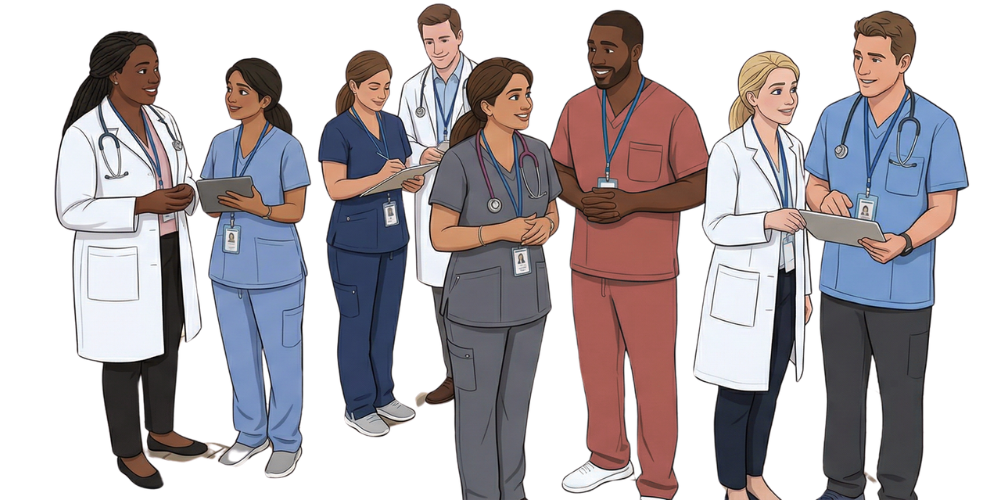
The Support Network for Indigenous Women & Women of Colour (SNIWWOC) and the Afro-Canadian Positive Network of BC Society (ACPNet) developed this eLearning resource to help healthcare providers deliver better care. It focuses on providing culturally safe, person-centred, and trauma-informed Sexual and Reproductive Health (SRH) services to Black, Indigenous, and Women of Colour (BIWOC). In this course, you will examine how systemic racism, cultural bias, and social determinants impact SRH care access and quality. You will learn to move beyond simple cultural awareness toward true cultural safety—a practice where patients feel empowered, respected, and heard. By centring the voices of those with lived experience, this training helps you rebuild trust and integrate equity-oriented actions into your daily practice.
Curriculum
-
1
Course Introduction
-
(Included in full purchase)
Introduction
-
(Included in full purchase)
Land Acknowledgement
-
(Included in full purchase)
Project Partners
-
(Included in full purchase)
Glossary of Key Terms
-
(Included in full purchase)
Materials Needed & Preparation
-
(Included in full purchase)
Training Outline
-
(Included in full purchase)
Training Objectives
-
(Included in full purchase)
Why This Training Matters
-
(Included in full purchase)
-
2
Evidence & Community Needs
-
(Included in full purchase)
Community Needs Assessment
-
(Included in full purchase)
-
3
Module 1: Understanding Trauma in SRH
-
(Included in full purchase)
Lesson 1.1: Reflection
-
(Included in full purchase)
Lesson 1.2: Understanding Trauma
-
(Included in full purchase)
Lesson 1.3: How Trauma Shows Up
-
(Included in full purchase)
Lesson 1.4: Impact on BIWOC
-
(Included in full purchase)
Lesson 1.5: Trauma-Informed Care
-
(Included in full purchase)
Lesson 1.6: Practical Tips
-
(Included in full purchase)
Post-Module Check: Understanding Trauma in SRH
-
(Included in full purchase)
-
4
Module 2: Barriers to Accessing SRH
-
(Included in full purchase)
Lesson 2.1: Barriers- Overview
-
(Included in full purchase)
Lesson 2.2: Shared Barriers
-
(Included in full purchase)
Lesson 2.3: Structural Factors
-
(Included in full purchase)
Lesson 2.4: Cultural Norms
-
(Included in full purchase)
Lesson 2.5: Healthcare Practices
-
(Included in full purchase)
Lesson 2.6: Case Vignette
-
(Included in full purchase)
Lesson 2.7: Provider Actions
-
(Included in full purchase)
Post-Module Check: Barriers to Accessing SRH Care
-
(Included in full purchase)
-
5
Module 3: Moving Toward Cultural Safety
-
(Included in full purchase)
Lesson 3.1: Indigenous-led Approach
-
(Included in full purchase)
Lesson 3.2: Cultural Safety
-
(Included in full purchase)
Lesson 3.3: Competency to Safety
-
(Included in full purchase)
Post-Module Check: Cultural Safety
-
(Included in full purchase)
-
6
Module 4: Applied Learning & Practice
-
(Included in full purchase)
Lesson 4.1: Case Scenario
-
(Included in full purchase)
-
7
Conclusion
-
(Included in full purchase)
Closing
-
(Included in full purchase)
Healthcare Provider Reflections
Based on the feedback from the Healthcare Providers who completed the training:
The training was excellent. Most of my answers are reflective of 18 years of experience, advanced academic attainment, and a very curious mindset to my positionality. The training was reinforcing more than new information (for me), and it is always useful to have this as part of our STBBI/health care/caring human frameworks. Thank you for the session. I have no suggestions as it was professionally delivered with relevant data/stories with moments to reflect on our responsibilities.
STI Clinic
The reminder to be kind and gentle with marginalized populations and stigmatized populations was super important. In public health care, it's so easy to get burnt out and lose sight of protecting our communities. Even for the most sensitive person, you can lose yourself in the daily frustrations of healthcare and public health. So the reminder that our impact and interactions go beyond ourselves and the situation/day is invaluable.
STI Clinic
Yes meaningful to be reminded how we impact individual care, then the wider community they come from.
STI Clinic
Ready to Transform Your Practice?
Join a community of healthcare providers committed to delivering equitable, culturally safe, and trauma-informed care for BIWOC communities.